
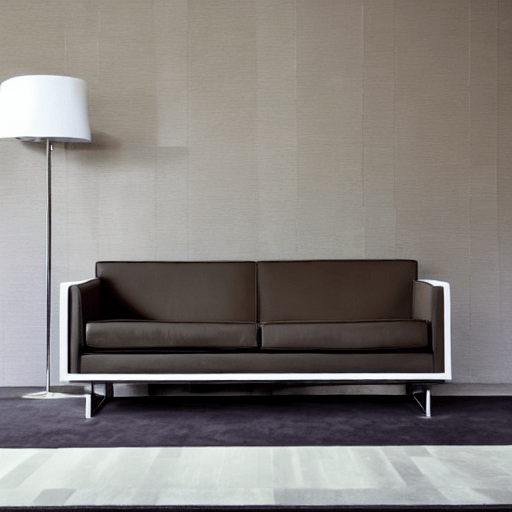
At its core, modern furniture design emerged in the early 20th century, breaking away from the ornate styles of previous eras. Thanks to movements like the Bauhaus and Scandinavian design, modern furniture favors simplicity and functionality over excessive embellishments.
To the right, le Corbusier’s LC4 Chaise Lounge and the le Courbusier Petit Lounge Chair (LC2).
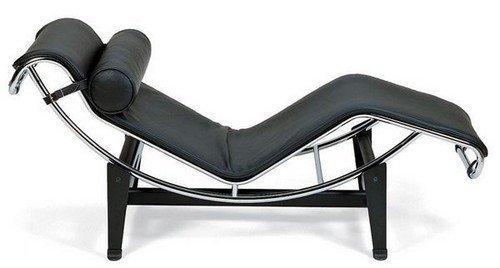
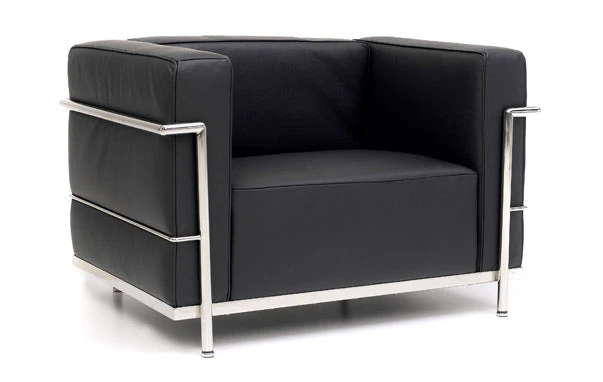
Concept
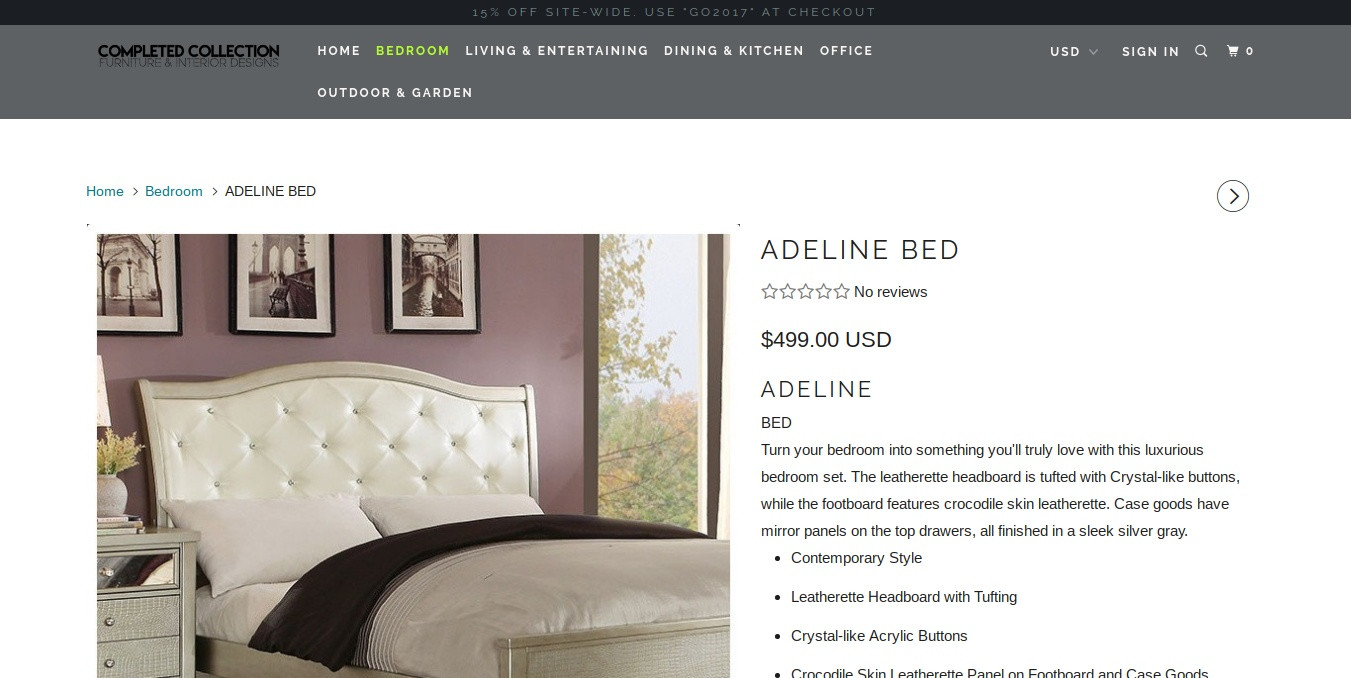
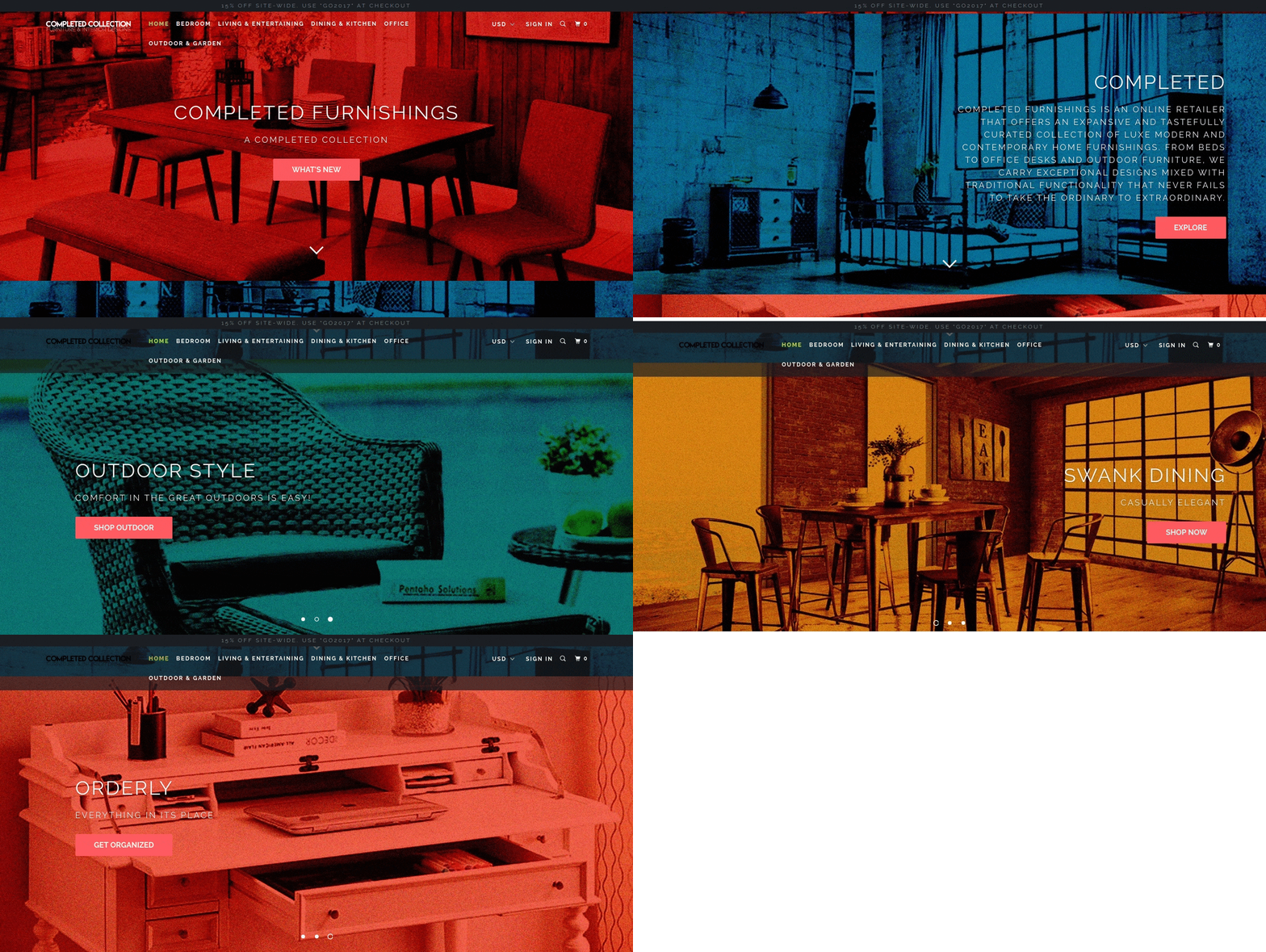
To mimic the brick and mortar store experience, buying furniture online must provide as much information (both written and visual) as possible. It’s important to remember that furniture is a major element in the consumers’ space, so exhaustive detail is critical.
Techniques
Imagery is important. The more comprehensive galleries, the better. 3-D modelling presentations are very appropriate for this market.
A surpringly effective method to close any sale is to provide physical samples of the item’s material. It’s low-cost and makes the difference between a completed sale and those who are browsing.
Notes
Customer service in the furniture industry is notoriously problematic. Deep, careful thought of the functions of the site facing the customer must be adressed. Connecting the site to robust CSR services is highly recommended.
- Important Modern Furniture Designers
- Influential Designers in Modern Furniture
- Historical Design Schools in Modern Furniture
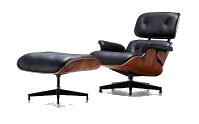
The Eames Lounge Chair
The Eames Lounge Chair is the ultimate definition of luxury and comfort. Designed by the duo Charles and Ray Eames, this chair marries style with relaxation.
The Barcelona Chair
The Barcelona chair is a chair designed by Ludwig Mies van der Rohe and Lilly Reich for the German Pavilion at the International Exposition of 1929, hosted in Barcelona, Catalonia, Spain. Knoll Inc. has manufactured the chair since 1964
The Tulip Table
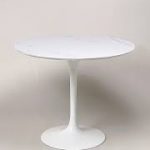
It’s a timeless pedestal table with a legacy that started in the 1950s and has enjoyed seven decades of ever-increasing popularity. The sculptural tulip table isn’t just for dining. You’ll often see it used as a workspace, in living room vignettes, or even dramatic entryways.
Charles and Ray Eames
This design duo is synonymous with modern furniture. They pushed boundaries, creating pieces that were not only innovative but also stunningly beautiful. Their work, like the Eames Lounge Chair or the molded plywood chair, embodies the philosophy of “form follows function.”
Ludwig Mies van der Rohe
Mies van der Rohe is known for his mantra “less is more.” He designed the Barcelona Chair and countless other masterpieces that embody the modernist ideals of simplicity and elegance.
Carl Hansen
Carl Hansen is the mastermind behind furniture that speaks to the heart and home. Renowned for his commitment to craftsmanship and natural materials, his designs, like the iconic Wishbone Chair, bridge the gap between modernism and traditional techniques.
- Aesthetics: Functional and rational, with clean, geometric shapes, simple lines, and an absence of ornamentation.
- Materials: Innovative industrial materials were embraced, such as tubular steel, glass, and plywood.
- Color Palette: A distinctive use of primary colors (red, yellow, and blue), often set against a neutral backdrop.
- Key figures: Marcel Breuer, Ludwig Mies van der Rohe, and Walter Gropius.
- Aesthetics: Sleek, streamlined silhouettes featuring bold geometric shapes, sweeping curves, and symmetrical patterns.
- Materials: Exotic woods like zebrawood and macassar ebony were combined with modern materials like chrome, steel, glass, and lacquer.
- Color Palette: Often bold and high-contrast, with saturated jewel tones, metallic accents, and rich, vibrant colors.
- Key features: Sunburst motifs, intricate wood inlays, and stepped forms.
- Aesthetics: Minimalist, with clean lines and a simple, calming elegance.
- Materials: A deep appreciation for natural materials, especially light-toned woods like beech, pine, and ash. Leather, wool, and natural fabrics are also key elements.
- Connection to Nature: Design aims to create a cozy, harmonious atmosphere and maximize natural light, a crucial element for the region’s long winters.
- Key figures: Hans Wegner, Arne Jacobsen, and Alvar Aalto.
- Aesthetics: Extreme simplicity and utility. Excess ornamentation was considered a sin of pride, so decoration was stripped away in favor of clean lines and honest construction.
- Materials: High-quality local woods like pine, maple, and cherry were used. Pieces were built to be durable and long-lasting.
- Ethos: Emphasized utility, honesty, and quality craftsmanship. Furniture was built for a purpose, not for show.
- Aesthetics: A balance of clean, geometric lines and organic, flowing curves.
- Materials: A wide range of materials were used, including natural woods (especially teak and walnut), plastic, metal, and glass.
- Practicality: Focused on affordability and mass production to furnish a rapidly growing population of homeowners.
- Key figures: Charles and Ray Eames, George Nelson, and Eero Saarinen.
- Aesthetics: A rigid focus on straight vertical and horizontal lines and right-angled geometric forms. It pushed minimalism to its extreme.
- Color Palette: Limited exclusively to primary colors (red, blue, and yellow) along with black, white, and gray.
- Furniture: Iconic pieces like Gerrit Rietveld’s Red and Blue Chair applied the movement’s abstract principles to three-dimensional objects.
- Ethos: Aimed to express a utopian vision for a new, harmonious social order.
Discover more from cgk.digital
Subscribe to get the latest posts sent to your email.