
Concept
Selling haute couture online requires that the ecommerce site, the retail and the personal experience must function as one effort. To convey the value of the items for sale, detailed content must be short, sweet and yet, comprehensive. This is a language-intense proposition. In multiple languages.
Techniques
Content-First Approach
Detailed and informative copy must be highlighted at each opportunity to reinforce the inherent value proposition. It’s required to explain why this item costs as much as it does.
Aspirational Marketing
A major component of selling haute couture online is selling non-tangible aspects of the brand. This involves not only exhausting detailing of the item but also creating a narrative voice, a tone and an image that is consistently both exclusive and welcoming.
Notes
When creating an ecommerce site in this market, detail and precision are critical. Punctuation, grammar, formatting, image quality and function must be flawless. This is an extraordinarily competitive market – indeed, perhaps the most competitive in the world. Errors simply can not be visible.
Case Study: Arturo Rios
Of particular interest is the development of the online store for Arturo Rios, a prominent and award-winning haute couture milliner.
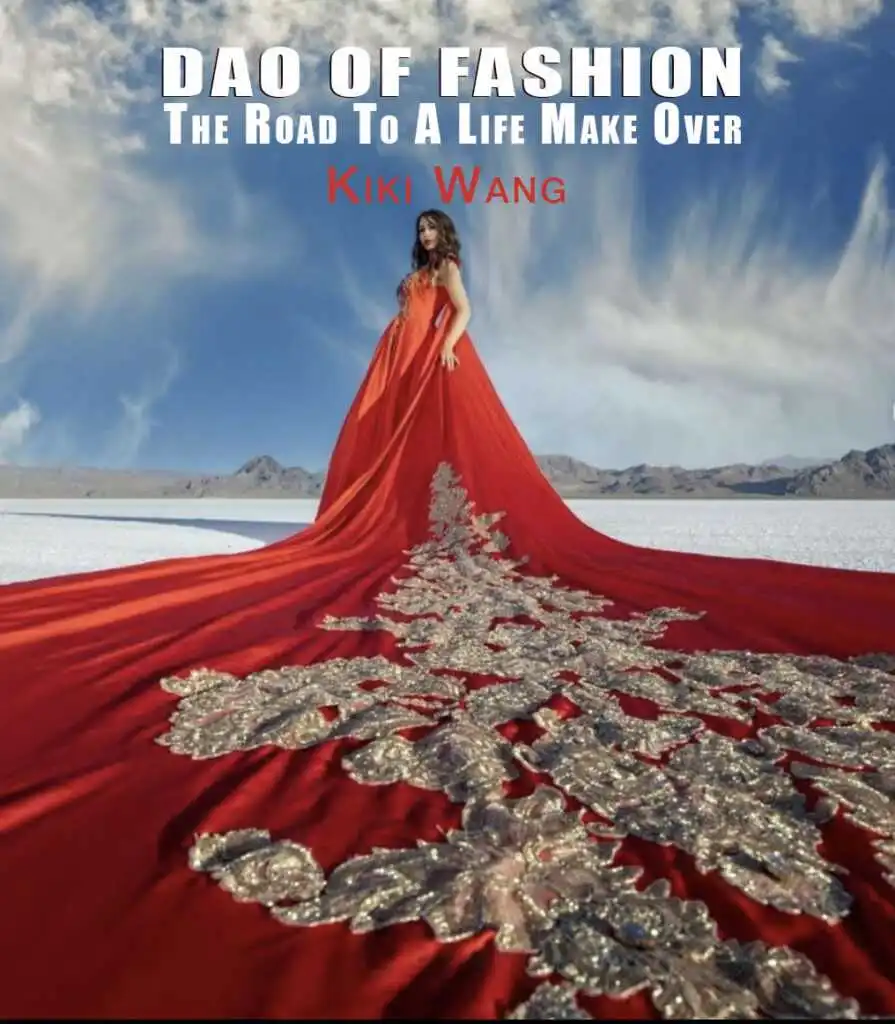


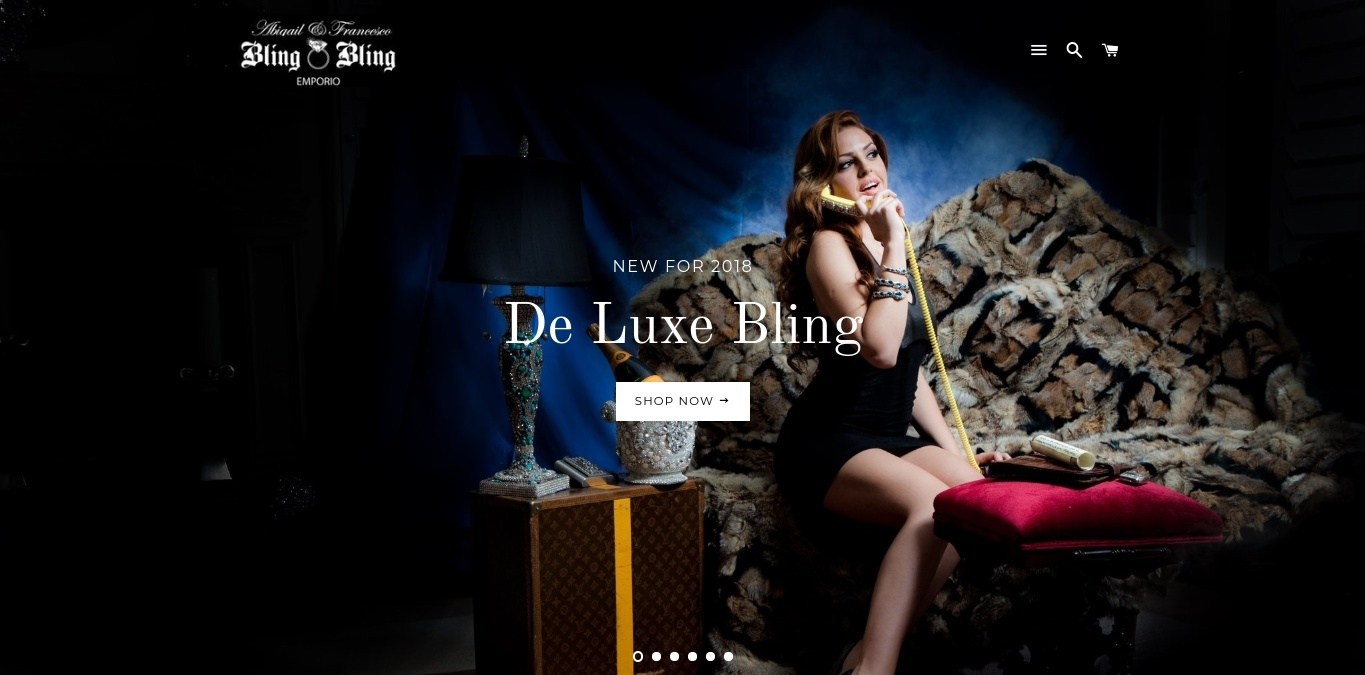
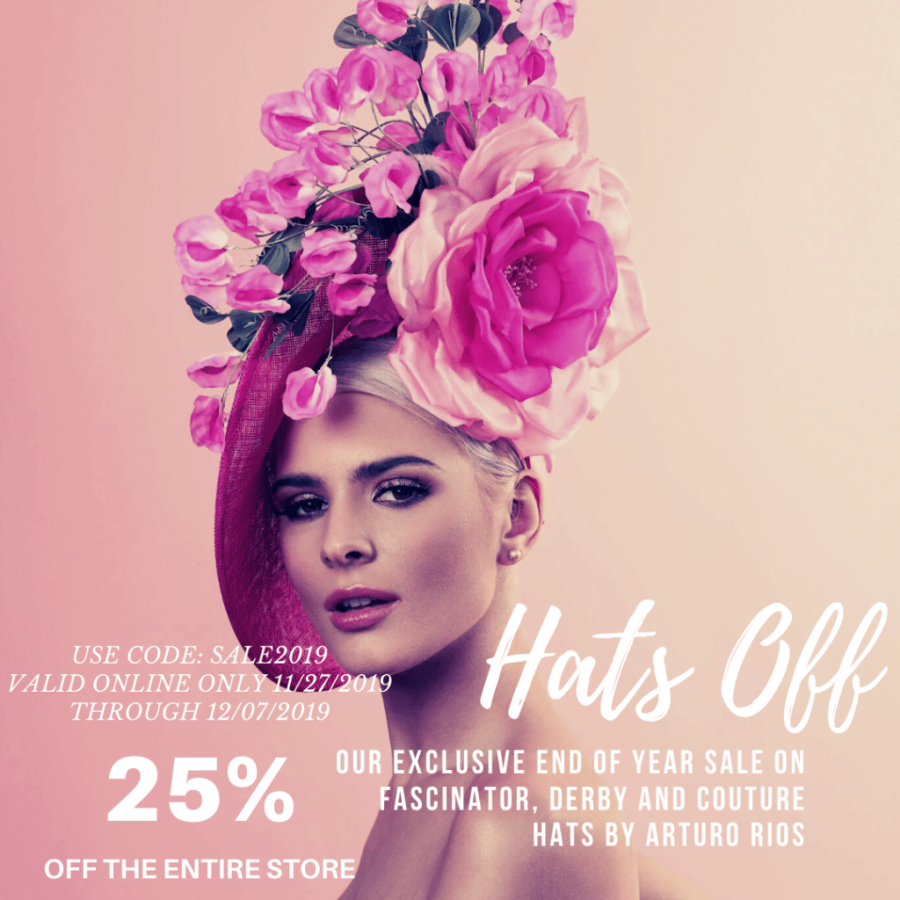
- la Fédération de la Haute Couture et de la Mode
- The Designers | les grandes couturiers
- Haute Couture Design Trends
Criteria
The official criteria, designed in 1945, originally implied presenting a certain number of original models each season, created by a permanent designer, handmade and bespoke models, a minimum number of people employed in the workshop and a minimum number of patterns “presented usually in Paris”. Since 2001 these criteria have been relaxed. The number of models to be shown on a seasonal basis has been reduced from 50 to 35. Also, the official appellation can be granted by the Chambre syndicale de la haute couture even if one criterion is not met.
Guests
Beside official members, the Chambre syndicale officially “invites” each season some “guests.” They cannot use the term “haute couture” but only the term “couture” and can become grands couturiers after 2 years.
International
The Chambre syndicale also recognizes foreign grands couturiers who do not show in Paris, referring to them as “membres correspondants“.
Members of the Fédération de la Haute Couture et de la Mode
Members at the end of 2023:
- Adeline André
- Chanel
- Dior
- Julien Fournié
- Maurizio Galante
- Jean Paul Gaultier
- Givenchy
- Bouchra Jarrar
- Alexis Mabille
- Maison Margiela
- Stéphane Rolland
- Schiaparelli
- Frank Sorbier
- Giambattista Valli
- Alexandre Vauthier
Correspondent members
- Atelier Versace
- Elie Saab
- Fendi
- Giorgio Armani Privé
- Iris Van Herpen
- Ulyana Sergeenko
- Valentino
- Viktor & Rolf
Guest members
- Aelis
- ArdAzAei
- Ashi Studio
- Balenciaga
- Charles de Vilmorin
- Christophe Josse
- Gaurav Gupta
- Georges Hobeika
- Imane Ayissi
- Juana Martín
- Julie de Libran
- Maison Rabih Kayrouz
- Maison Sara Chraibi
- Peet Dullaert
- Rahul Mishra
- Robert Wun
- Ronald van der Kemp
- Thom Browne
- Yuima Nakazato
- Zuhair Murad
-
Sustainability:
Environmental concerns are pushing haute couture towards sustainable practices, including the use of recycled and organic materials, waste reduction, and eco-friendly manufacturing processes.
-
Technological Innovation:
AI & Digital Twins: Artificial intelligence and digital avatars allow for hyper-personalized garments, created with unprecedented precision and efficiency, and facilitate virtual design and preview experiences.
-
3D Printing & Smart Fabrics: These technologies enable designers to create intricate textures, new materials, and garments with enhanced features, blending high-tech capabilities with traditional artistry.
-
Hyper-Personalization: Technology is making it easier to create perfectly tailored garments that reflect individual client needs, from body shape to personal style, fulfilling the original promise of couture.
-
Inclusivity: There is a growing demand for broader size representation, with designers working to provide custom, high-fashion options for a wider range of body types, addressing a significant gap in the industry.
-
Preserving Craftsmanship:
While embracing technology, the industry is also focused on protecting its core values, such as the unique skills of artisans in hand embroidery and feather embellishment.
-
Enhancing, Not Replacing:
The goal is for technology to enhance traditional hand-sewn techniques and craftsmanship, rather than replace the human touch and creativity that define haute couture.
-
Exclusivity and Cost:
The high cost of materials and the inherent exclusivity of haute couture remain significant challenges, even as it seeks to reach a wider audience.
-
Integration:The industry needs to carefully integrate new technologies and sustainable practices to ensure they enhance rather than overshadow the artistry and essence of couture.
- 2024 Value: Reports vary from USD 1.3 billion to USD 12.3 billion.
- Forecasted 2034/2031 Value: Projected to reach between USD 1.7 billion and USD 13.7 billion by 2034 or 2031.
- Growth Rate (CAGR): Expected to grow at a rate of 2.3% to 2.5% between 2025 and 2034.
Discover more from cgk.digital
Subscribe to get the latest posts sent to your email.