
Concept
Fast fashion has become synonymous with online apparel retail sites. While it serves a trillion dollar market, retailers also are keen to the fact that it is widely seen as environmentally harmful.
Techniques
The intent and the outcome must be considered as one effort. Responsibly promoting fashion requires that all aspects of the endeavour are discussed transparently. The advantages of print-on-demand, for instance, can be highlighted as producing less with lower environmental impact.
Notes
It’s important to note that not all apparel retail is considred to be “fast fashion.” Selling tangible goods, such as clothing, is challenging at best. cgk.digital uses deep content and transparent sourcing to communicate resposnsibility and ownership in the apparel market.
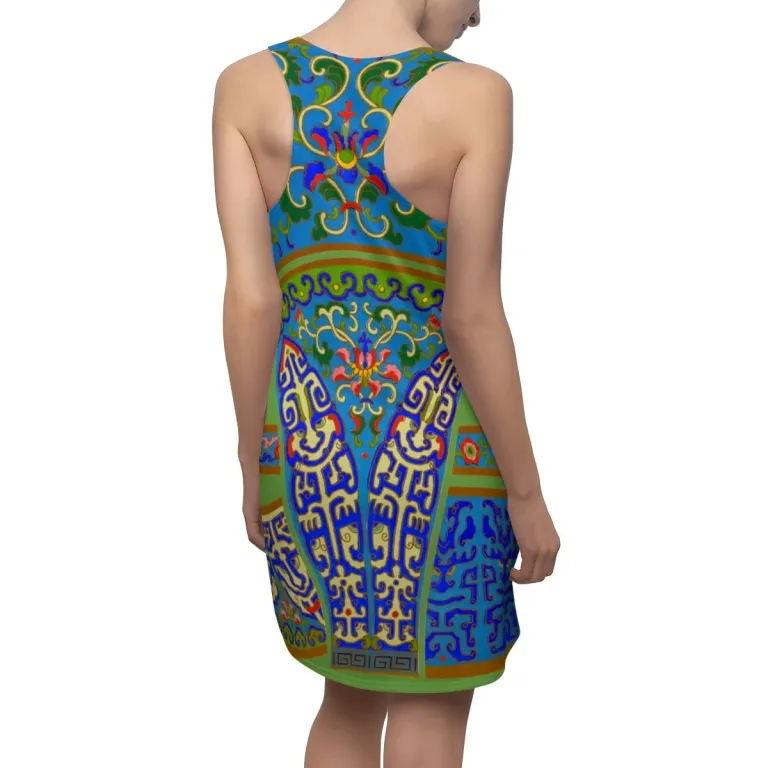
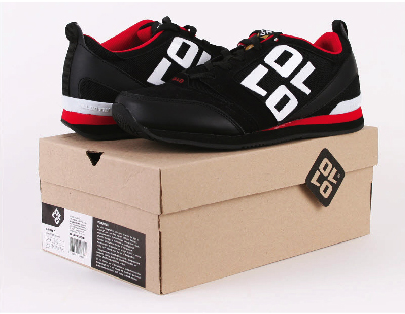

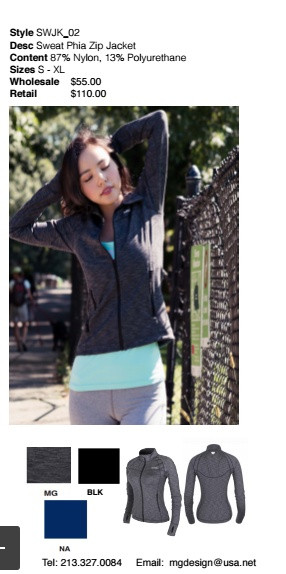
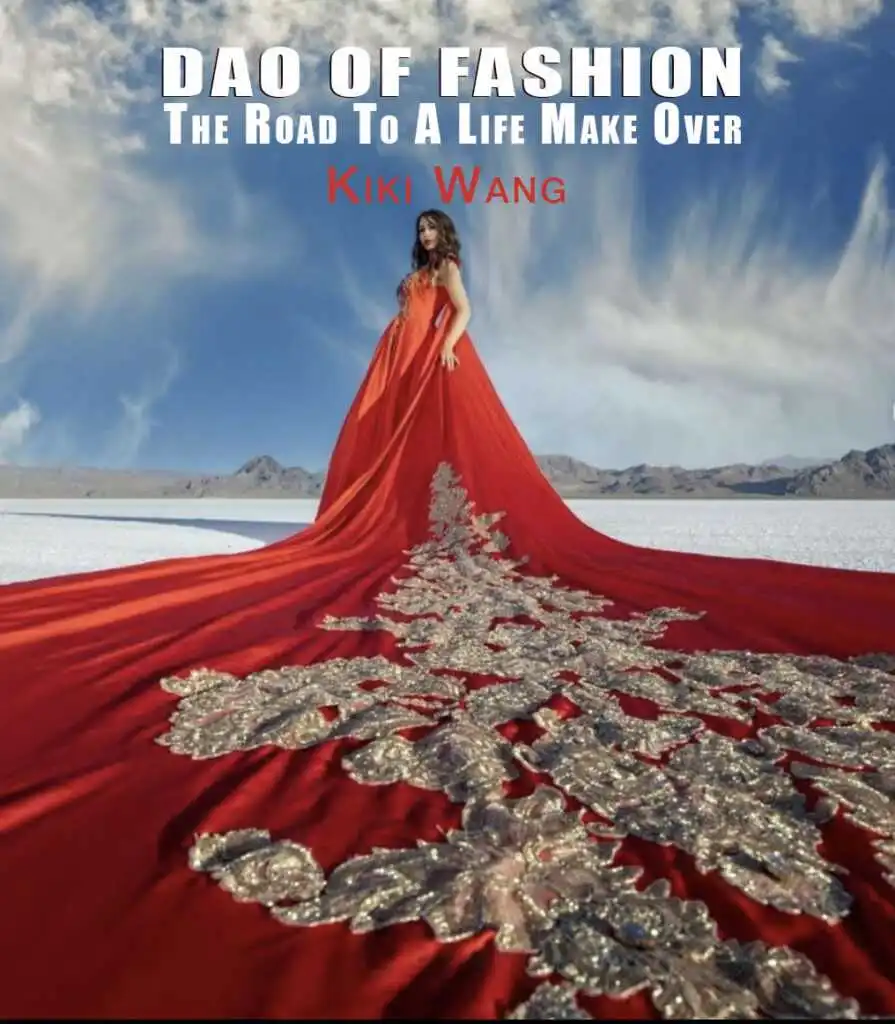
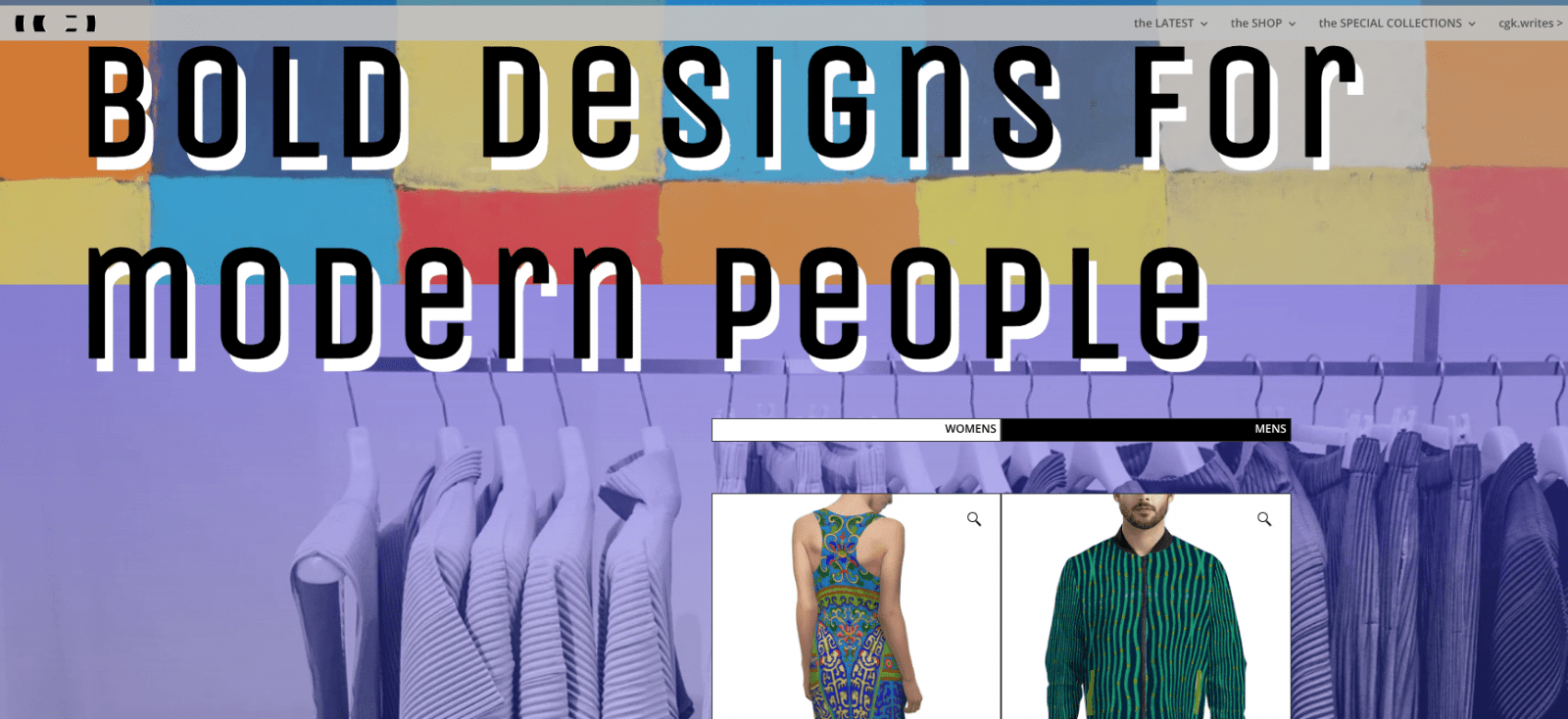
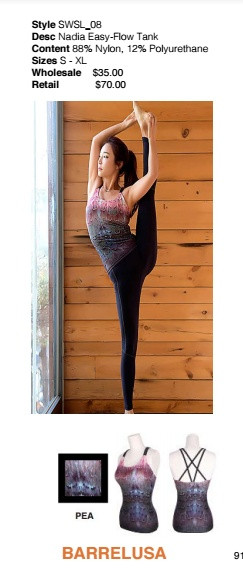
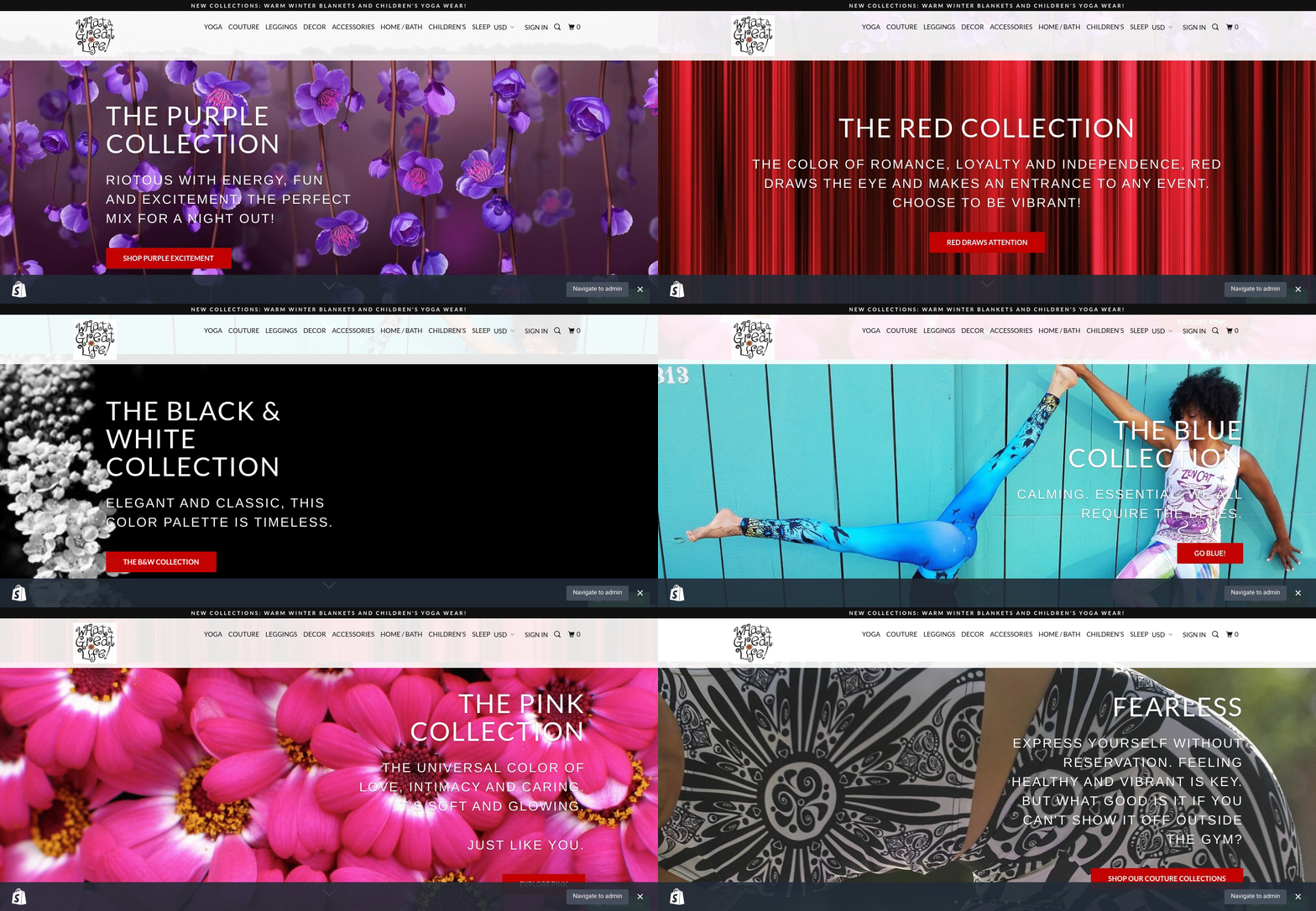
The term ‘fast fashion’ refers to the reproduction of clothing that is rapidly produced by mass-market retailers at low cost. Globally, the fast fashion market is estimated to be worth $1.7 trillion with more than 300 million people employed in the industry
Approximately 6 billion pairs of jeans are produced globally each year, though figures vary, with one source stating 5 billion and another mentioning 4.5 billion pairs sold annually. This large production volume makes jeans a ubiquitous and popular garment worldwide, with a significant portion of manufacturing taking place in countries like China, India, and Bangladesh. .
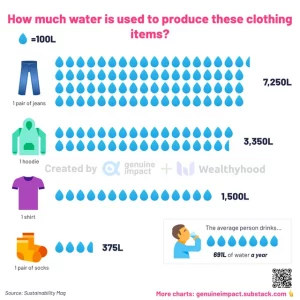 Making one pair of jeans requires a large amount of water, with figures ranging from approximately 1,800 to 3,781 gallons (about 7,000 to 14,000 liters), depending on the source. This water usage is primarily for growing the cotton and for the manufacturing processes, including washing, dyeing, and finishing the denim fabric.
 Do the math.
The fashion industry is starting to take note.
A Pulse survey of decision makers from all industry segments confirms that sustainability is climbing up corporate agendas. Of executives polled, more than half said sustainability informed their strategy—up from last year.
Innovative new technology can play a part in cutting resource use. Cotton and recycled polyester still put a strain on the environment, so finding and developing new sustainable materials is key to reducing natural resource consumption.
In the meantime, developing countries—with a nascent textile industry —have an opportunity to build circular models into production from the start. They can set the bar high for the rest of the world to follow suit.
Ultimately, the key to a sustainable future lies in radically rethinking the way we consume and use clothing, and disrupting current business models. That means buying less. And it means putting pressure on our fashion industry to design a more responsible product.

Discover more from cgk.digital
Subscribe to get the latest posts sent to your email.