The Silk Road and the Mirror
How Asia Remade the European Eye
For four centuries, Europe looked east and couldn't look away: Dutch painters filled their still lifes with imported porcelain, van Gogh built his brushwork on Japanese ukiyo-e prints, and wave after wave of Asian design left its mark on European taste. This is that exchange — from fantasy visions of the East to design theorists who studied Islamic and Asian patterns as a science — and how it eventually reversed, as colonialism, trade, and digital culture began sending European aesthetics back outward. Neither culture left quite as it arrived.
How Asia Redefined European Art
From cabinets of curiosities to K-pop, a chronological log of the artists, designers, and movements that carried foreign aesthetics into European culture — and what each one cost the cultures from which they borrowed.
Cabinets of Curiosities
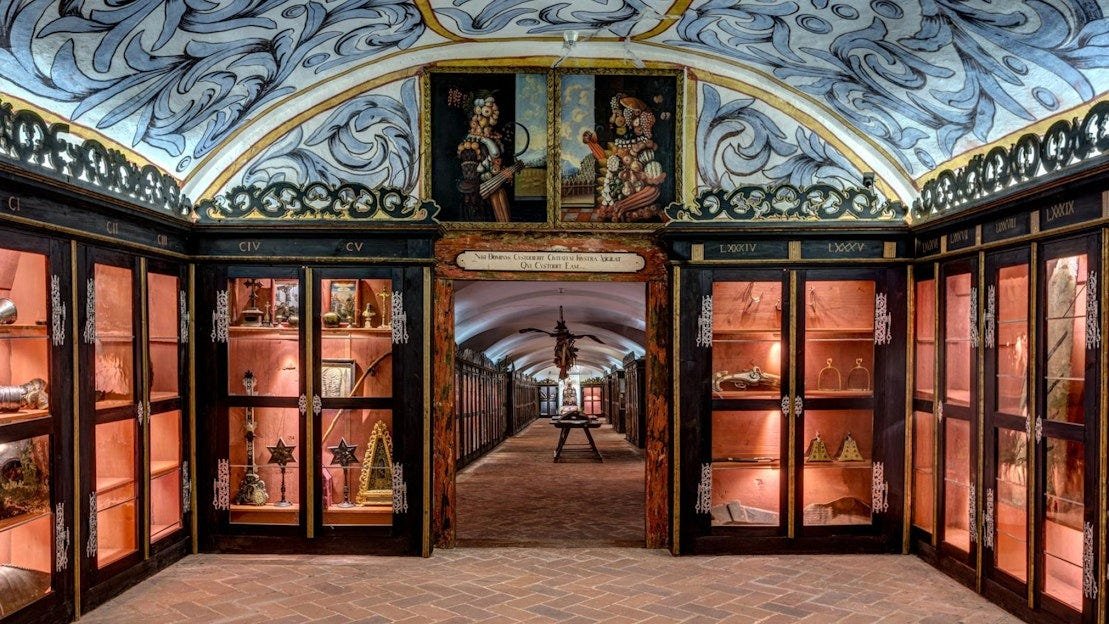
During the Age of Sail, Europeans began encountering faraway societies through trade and imperial expansion, and this contact first took shape in the private collections of wealthy elites.
During the Age of Sail, Europeans began encountering faraway societies through trade and imperial expansion, and this contact first took shape in the private collections of wealthy elites. Known as Kunstkammern, these "cabinets of curiosities" gathered global artifacts, taxidermy, and art into single rooms that showcased European dominance over world knowledge.
Rembrandt and Kalf: Dutch Fascination with the East
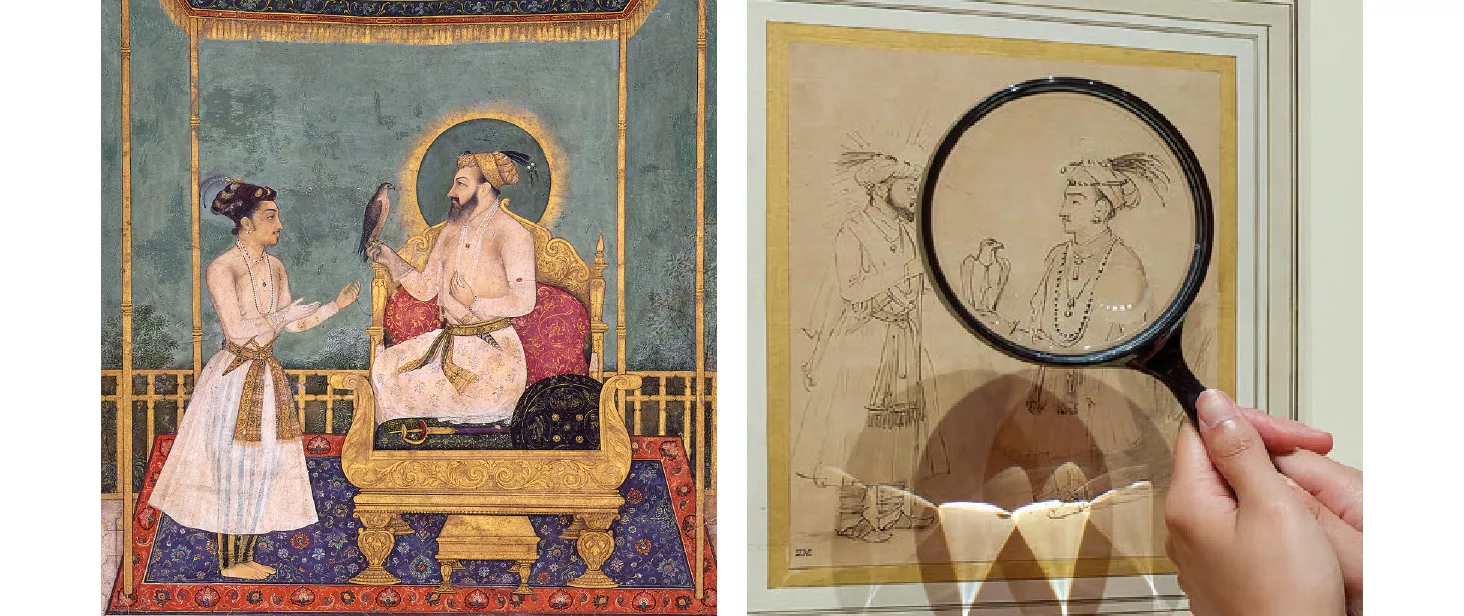
Rembrandt van Rijn became obsessed with Mughal miniatures and Middle Eastern textiles, avidly collecting imported Mughal drawings and copying at least twenty-three of them with meticulous precision.
The Dutch Republic's vast trading networks brought Asian and Middle Eastern goods directly into artists' studios, and two painters captured this moment vividly. Rembrandt van Rijn became obsessed with Mughal miniatures and Middle Eastern textiles, avidly collecting imported Mughal drawings and copying at least twenty-three of them with meticulous precision. He frequently visited the Amsterdam docks to buy exotic silks, turbans, and weapons, and he dressed his biblical subjects — and often himself, in self-portraits — in elaborate Middle Eastern robes and turbans, conflating the contemporary Islamic world with ancient biblical history. Willem Kalf, meanwhile, specialized in pronkstilleven, or ostentatious still-life paintings, repeatedly featuring imported Chinese Kraak porcelain bowls and intricate Persian rugs. His paintings functioned as luxury advertisements, celebrating Dutch commercial dominance and elevating foreign utilitarian objects into high art.
Boucher and the Invention of Chinoiserie
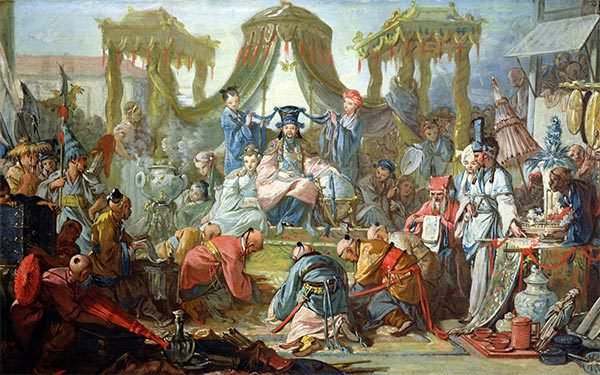
François Boucher painted a famous series of tapestries for the Beauvais factory, including The Chinese Fair and The Chinese Marriage, despite never having traveled to Asia.
As the Enlightenment flourished, European artisans became obsessed with Chinese aesthetics, imitating porcelain, lacquerware, and pagoda designs in pavilions and tea sets — a style known as Chinoiserie. François Boucher gave this fashion its definitive visual language. He painted a famous series of tapestries for the Beauvais factory, including The Chinese Fair and The Chinese Marriage, despite never having traveled to Asia; he relied instead on travelogues and his own imagination. Boucher effectively invented a whimsical, romanticized China filled with pastel colors, parasols, and delicate pagodas, popularizing the Chinoiserie aesthetic across European royal courts, notably influencing Queen Marie Antoinette.
Liotard and Ottoman Turquerie
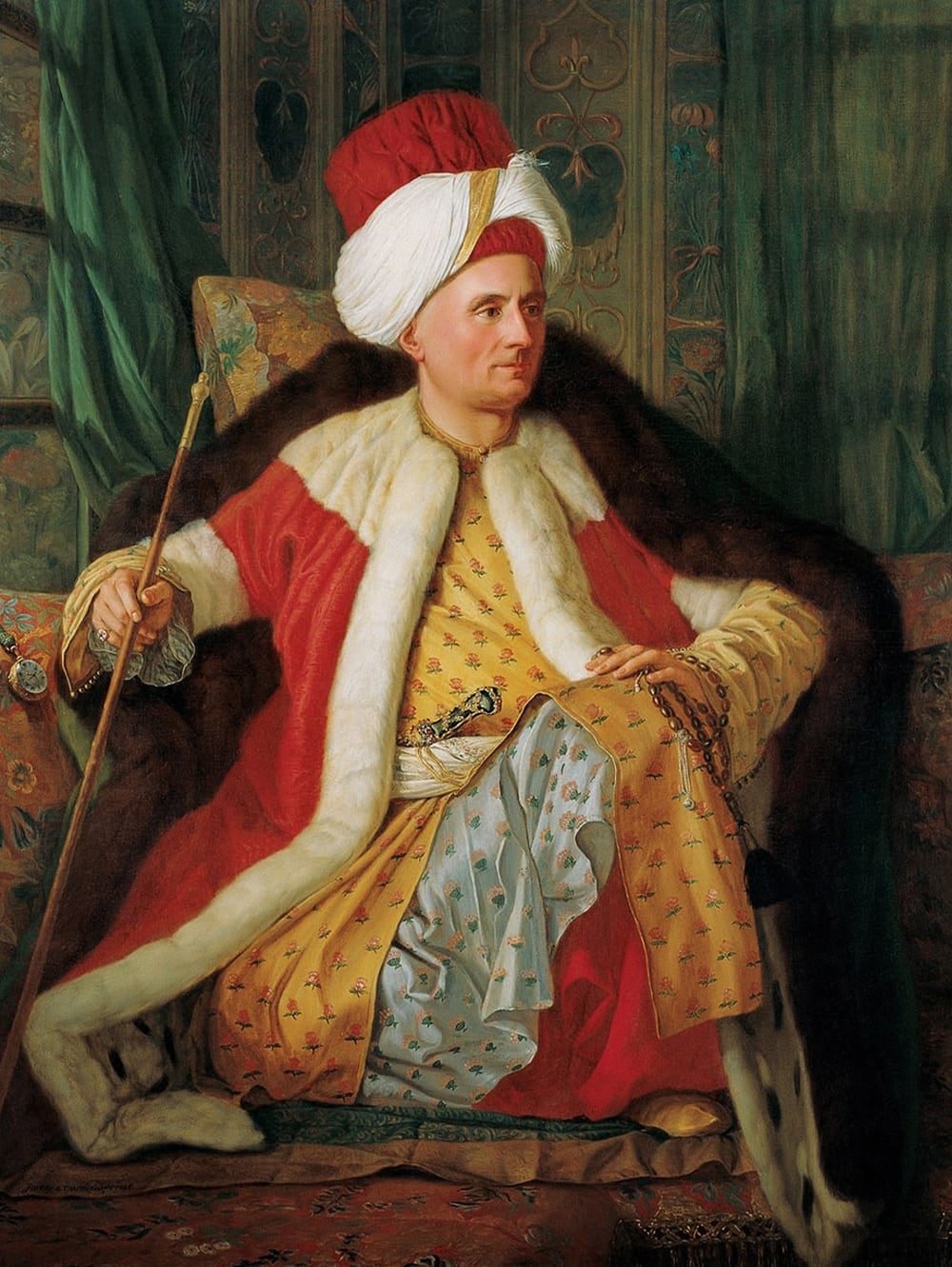
This Swiss painter spent four years in Constantinople, adopting Ottoman dress, growing a long beard, and embedding himself in the culture.
A parallel fascination with the Ottoman world, known as Turquerie, produced a very different kind of artist in Jean-Étienne Liotard. This Swiss painter spent four years in Constantinople, adopting Ottoman dress, growing a long beard, and embedding himself in the culture. Known as the "Turkish painter," his highly accurate pastels challenged European caricatures of the East; his famous work, A Frankish Woman and Her Servant, offered Europeans an unusually authentic glimpse into Levantine life.
The Noble Savage and Persian Letters
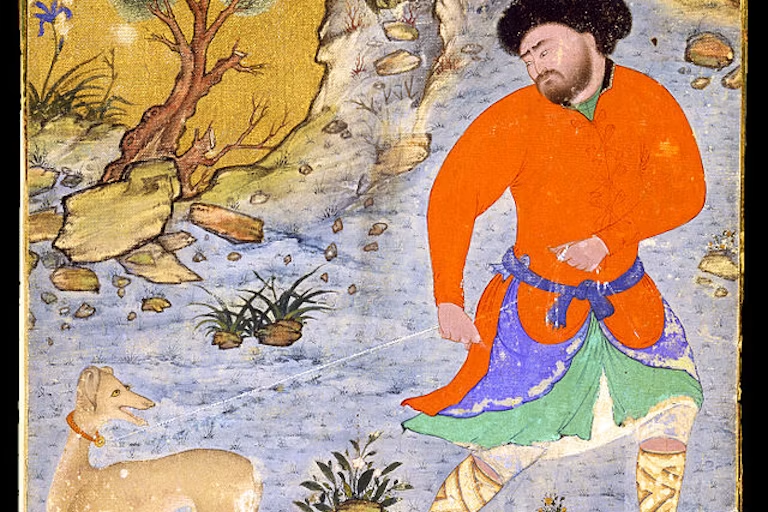
Philosophers such as Jean-Jacques Rousseau romanticized Indigenous peoples as the "noble savage," using idealized foreign societies to criticize European corruption.
This era's fascination with foreign cultures also shaped philosophy and literature. Philosophers such as Jean-Jacques Rousseau romanticized Indigenous peoples as the "noble savage," using idealized foreign societies to criticize European corruption, while authors like Montesquieu used fictional foreign perspectives — as in his Persian Letters — to satirize French politics safely from behind an imagined outsider's eyes.
Orientalism and Imperial Spectacle
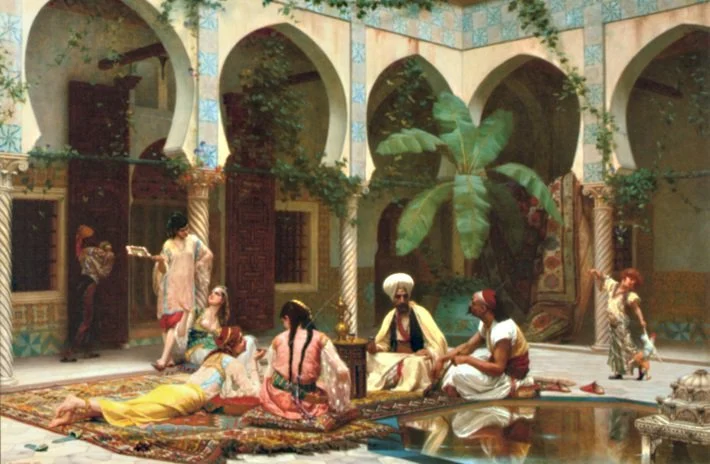
The scholar Edward Said would later term this phenomenon Orientalism: the West's construction of a romanticized, "mystical" Middle East and Asia.
The 19th century shifted toward aggressive imperialism, and with it, cultural fascination hardened into academic study and public spectacle. The scholar Edward Said would later term this phenomenon Orientalism: the West's construction of a romanticized, "mystical" Middle East and Asia, positioned in contrast to a self-proclaimed "rational" West. Napoleon's invasion of Egypt sparked a related obsession, Egyptomania, with mummies, obelisks, and ancient artifacts, fueling massive looting for Western museums. The Great Exhibitions of London and Paris took this spectacle public, displaying colonized peoples in simulated villages — human zoos that entertained audiences while justifying colonial rule.
Delacroix, Gérôme, and Van Gogh
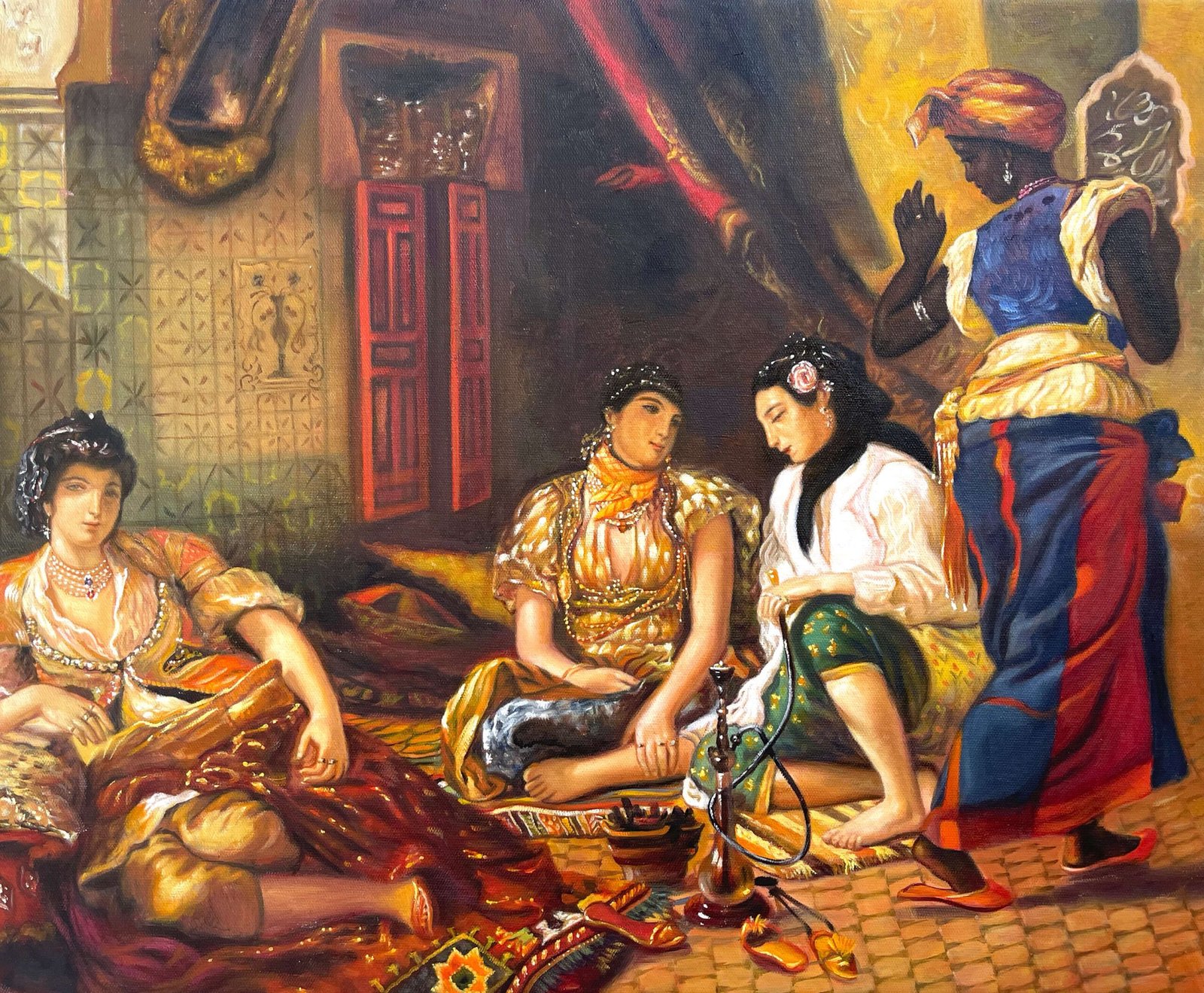
Faster travel let 19th-century painters visit foreign lands firsthand, though their work remained heavily filtered through a colonial lens.
Faster travel let 19th-century painters visit foreign lands firsthand, though their work remained heavily filtered through a colonial lens. Eugène Delacroix traveled to Morocco in 1832 as part of a French diplomatic mission, sketching frantically and recording clothes, horses, and Jewish weddings in extensive journals. His masterpiece, Women of Algiers in their Apartment, introduced Europe to a sultry, cloistered vision of the harem, and his expressive brushwork and vibrant color fundamentally altered French Romanticism. Jean-Léon Gérôme made numerous trips to Egypt and Turkey, painting with a photographic, hyper-realistic technique that made his scenes look like historical truth. He became the definitive Orientalist painter, and works like The Snake Charmer presented the Middle East as a stagnant, sensual, and lawless place — imagery that directly fed the political justification for French and British imperialism. Vincent van Gogh's obsession ran in the opposite direction, toward Japan: he collected hundreds of Japanese ukiyo-e woodblock prints in Paris and explicitly copied masters like Hiroshige, as in his Flowering Plum Tree. Japan became his artistic ideal, and his adoption of flat color planes, cropped perspectives, and reverence for nature helped birth European Post-Impressionism.
The Pattern Encyclopedists
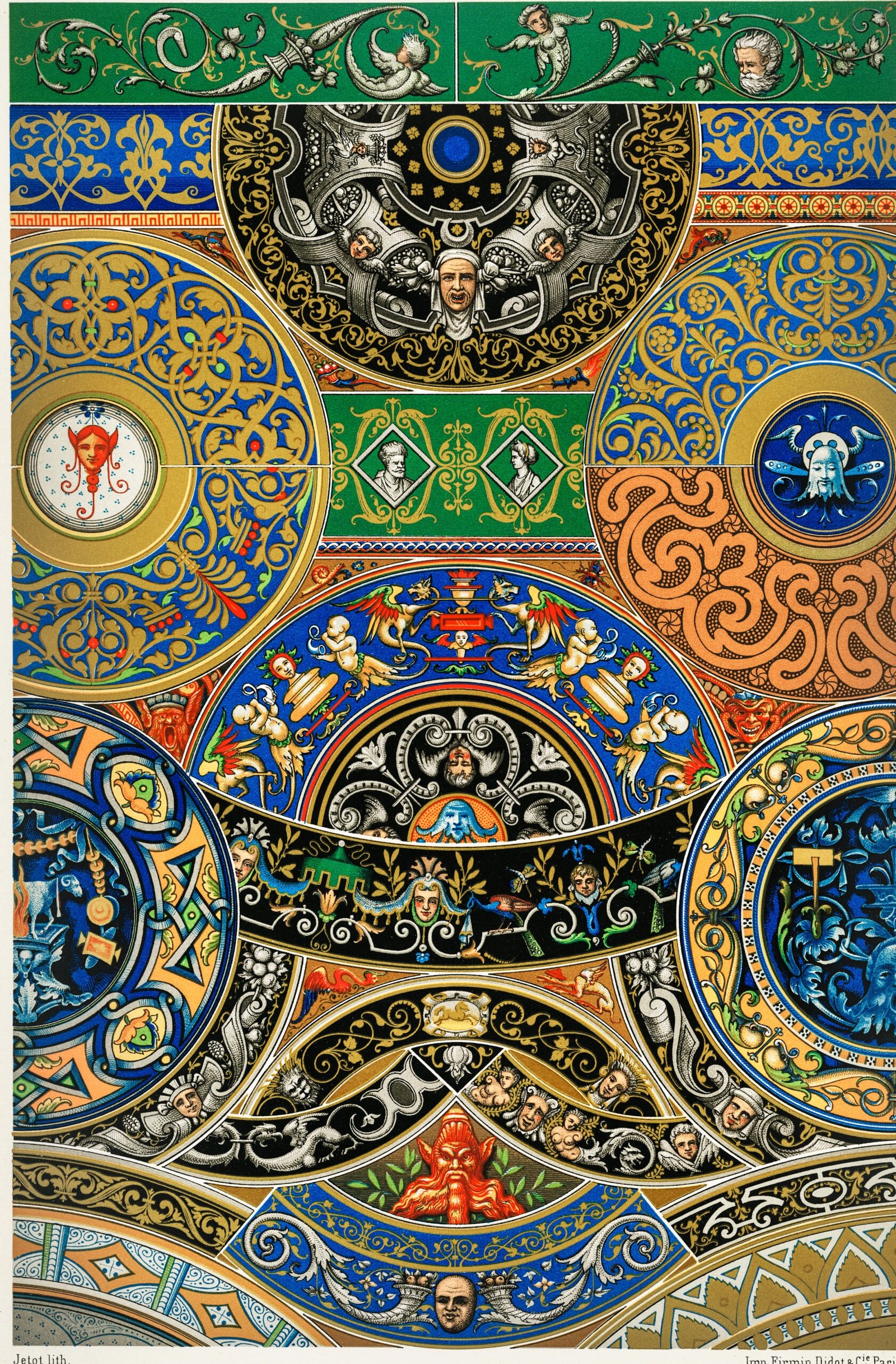
A different group of 19th-century figures treated non-Western design as a rational science of geometry and color rather than a narrative subject for paintings.
Alongside these painters, a different group of 19th-century figures — designers, architects, and encyclopedists — moved away from romanticized narrative art and instead treated non-Western design as a rational science of geometry and color, a shift sometimes called Design Orientalism. Owen Jones, dismayed by the chaotic aesthetics of Victorian design, spent months documenting the Moorish patterns of the Alhambra Palace in Spain and published the seminal Grammar of Ornament in 1856. It showcased Persian, Indian, Arab, and Celtic design as masterclasses in flat, stylized decoration, and Jones argued that European designers should abandon realistic copies of nature in favor of the mathematical rhythm of Eastern pattern. Émile Prisse d'Avennes, a French archaeologist and engineer, immersed himself so completely in the Middle East that he adopted Arab dress and the name Idriss-effendi, documenting disappearing Egyptian and Islamic Cairene architecture with extraordinary precision; his publications, including L'Art arabe, became an essential pattern bible for European porcelain makers, architects, and weavers. Albert Racinet used the new technology of chromolithography to democratize this material for the masses, publishing the colossal L'Ornement polychrome, an encyclopedia of thousands of motifs from cultures across the world that let any factory worker or designer instantly apply global design elements to Western consumer goods. William Morris, leader of the British Arts and Crafts Movement, despised cheap industrial goods and, drawing on Owen Jones and the South Kensington Museum's collection of Persian carpets, integrated the infinite, repeating logic of Islamic Safavid textiles into iconic wallpaper and fabric designs such as Bullerswood, proving that absorbing non-Western design principles could revitalize European domestic spaces.
Owen Jones and the Crystal Palace
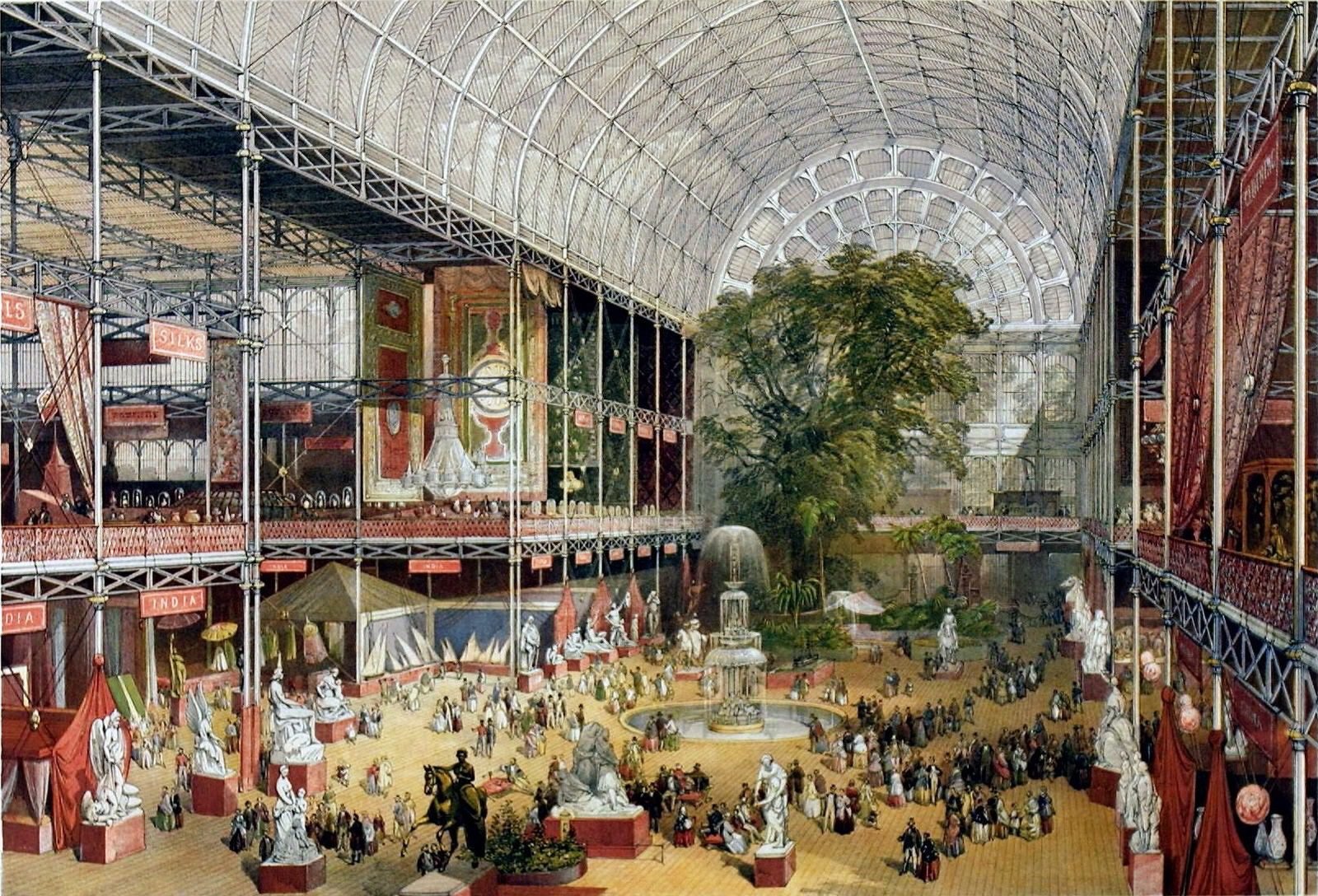
Owen Jones was appointed Superintendent of the Works and tasked with choosing the interior color scheme of the Crystal Palace.
These design theories found their most spectacular physical form at the Crystal Palace. When engineer Joseph Paxton completed the original structure in Hyde Park for the Great Exhibition of 1851, Owen Jones was appointed Superintendent of the Works and tasked with choosing its interior color scheme. Having spent months studying the plaster reliefs of the Alhambra, Jones had discovered that Islamic decorators followed strict mathematical rules for color, placing pure primary hues beside one another and letting the human eye blend them from a distance rather than mixing pigment on the wall. He shocked the Victorian public by painting the structure's iron lattice in vibrating stripes of pure blue, red, and yellow; critics predicted disaster, but once light flooded through the glass roof, the colors neutralized into a soft, atmospheric mist that made the massive iron beams appear weightless, proving that ancient Islamic color theory suited modern industrial construction perfectly.
The Alhambra and Egyptian Courts
Jones built full-scale replicas of the Alhambra and, with Prisse d'Avennes' archaeological drawings, a colossal Egyptian Court.
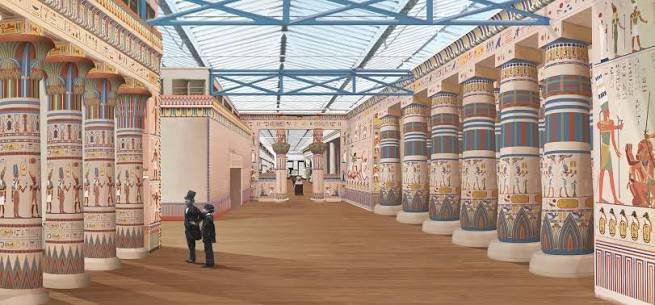
When the palace was rebuilt at Sydenham in 1854, Jones pushed the idea further, constructing a series of full-scale architectural pastiches known as the Fine Arts Courts. The Alhambra Court was an exact replica of the Court of the Lions and the Hall of the Abencerrages, recreated in cast plaster down to its honeycombed muqarnas ceilings and calligraphy; for the first time, millions of working-class Europeans could physically step inside an Islamic palace, transforming public perception of Islamic architecture from mystical fantasy into an appreciation of complex, civilized geometry. The Egyptian Court, built by Jones with sculptor Joseph Bonomi, featured colossal pharaonic columns, sphinxes, and replicas of the temple statues of Abu Simbel; its builders relied heavily on the precise archaeological renderings published by Prisse d'Avennes, which allowed them to replicate the exact proportions of ancient monuments rather than inventing generic "Egyptian-style" props. Unlike traditional museums displaying broken ruins, this court presented a fully painted, living environment that showed Europeans how ancient cultures integrated architecture with bold, polychromatic storytelling.
The Architectural Legacy
The Crystal Palace's experiments sent shockwaves through 19th-century architecture that outlasted the building itself.
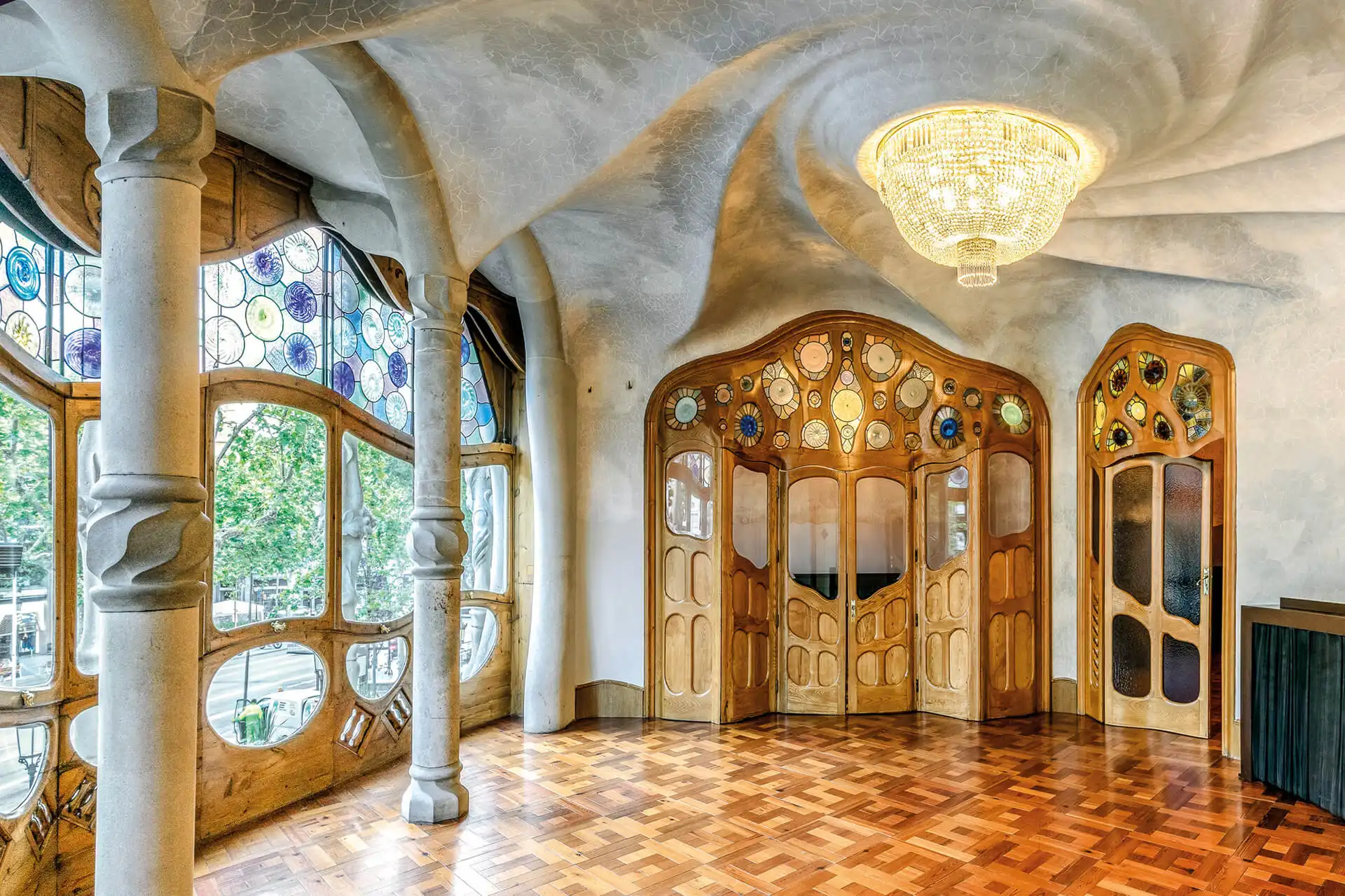
The Crystal Palace's experiments sent shockwaves through 19th-century architecture that outlasted the building itself. Synagogues, public baths, and theaters across Europe, from the Moorish Kiosk at Linderhof Palace to the Great Synagogue of Florence, began mimicking the geometric plaster reliefs popularized by Jones's Alhambra Court. Factories, suspension bridges, and waterworks began incorporating the sloping pylons and lotus-capital columns documented by Prisse d'Avennes and showcased at Sydenham. And architects, realizing that stone and metal buildings need not be dull gray or white, carried Jones's global color theories forward through later figures such as Gottfried Semper and Louis Sullivan, laying groundwork for the vivid palettes of Art Nouveau and early modern skyscrapers.
Séguy and the Art Deco Turn
Émile-Allain Séguy translated exotic insects and butterflies into stylized, abstract geometry using the pochoir hand-stencil technique.
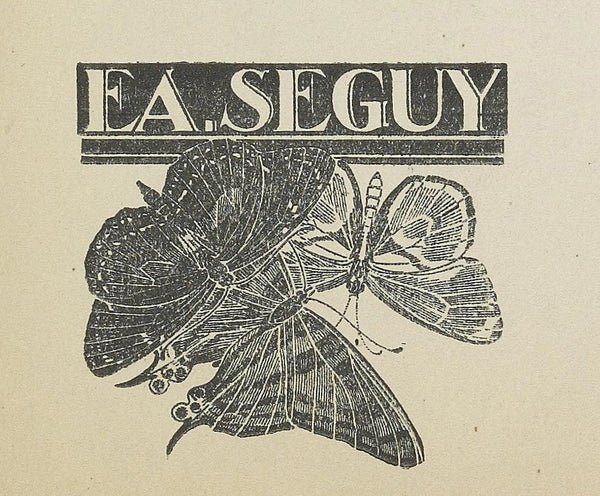
As Art Nouveau's fluid lines gave way to Art Deco's sharp geometries in Paris, Émile-Allain Séguy carried the pattern-encyclopedist tradition into the new century, turning his attention to non-Western natural exotica such as tropical insects and butterflies. Using the vibrant pochoir hand-stencil technique, he published legendary portfolios like Samarkande, referencing the Silk Road city, and Insectes, translating the surreal colors of exotic wildlife into stylized, abstract geometry that directly shaped the bold, lavish textile designs of 1920s French fashion and interiors.
Primitivism and the Jazz Age
Modern artists like Picasso and Matisse drew heavily on African tribal masks, though they rarely credited the original cultural contexts.
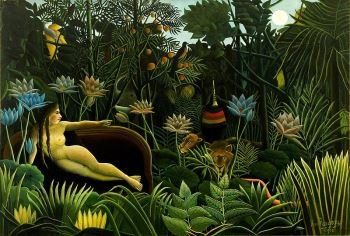
Global conflict and the eventual process of decolonization forced Europeans into more complex engagements with other cultures. Modern artists such as Pablo Picasso and Henri Matisse drew heavily on African tribal masks under the banner of Primitivism, though they rarely credited the original cultural contexts. In the same period, 1920s Paris became captivated by African American jazz musicians and performers such as Josephine Baker, embracing them as symbols of modern liberation.
Counterculture and World Music
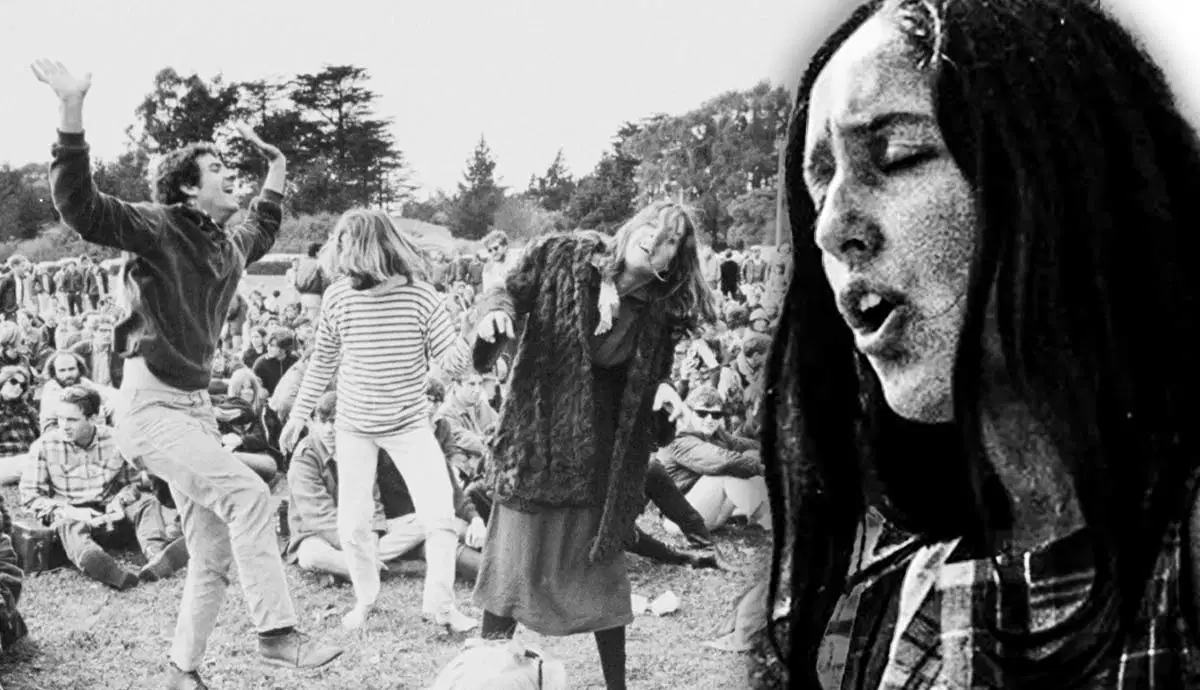
The 1960s generation rejected Western materialism and turned to South Asian spirituality, yoga, and sitar music, popularized by bands like The Beatles.
The postwar generation of the 1960s rejected Western materialism outright, and youth culture turned toward South Asian spirituality, yoga, and sitar music, popularized in the West by bands like The Beatles. By the late 20th century, European record labels had turned this spiritual curiosity into commerce, commodifying traditional sounds from Africa, Latin America, and Asia for Western listeners under the broad label of "world music."

Globalization and the Appropriation Debate
The Hallyu Wave has made European youth culture heavily influenced by South Korean media, reversing the traditional flow of cultural influence.
Digital interconnectedness has since decentralized the European gaze entirely, turning fascination into instantaneous, widespread consumption. The Hallyu Wave has made European youth culture deeply influenced by South Korean media, particularly K-pop and K-dramas, reversing the traditional flow of cultural influence from West to East. European food scenes have been transformed by global diaspora communities prioritizing authentic ingredients over the colonial-era adaptations of earlier centuries. At the same time, modern discourse fiercely critiques cultural appropriation, with public debates focused on Western fashion houses using Indigenous designs without permission or compensation. And social media algorithms now let Europeans consume global rituals, travel experiences, and aesthetics daily, a shift that balances between genuine global solidarity and superficial consumption.